Strategic Programmes & Impact Pillars
Systemic, evidence-based interventions addressing livestock productivity, climate resilience, rangeland restoration, and economic empowerment across Kenya's ASAL counties.
5 Flagship Programmes
Priority high-impact programmes directly anchored in the Five-Year Implementation Plan (2027–2032).
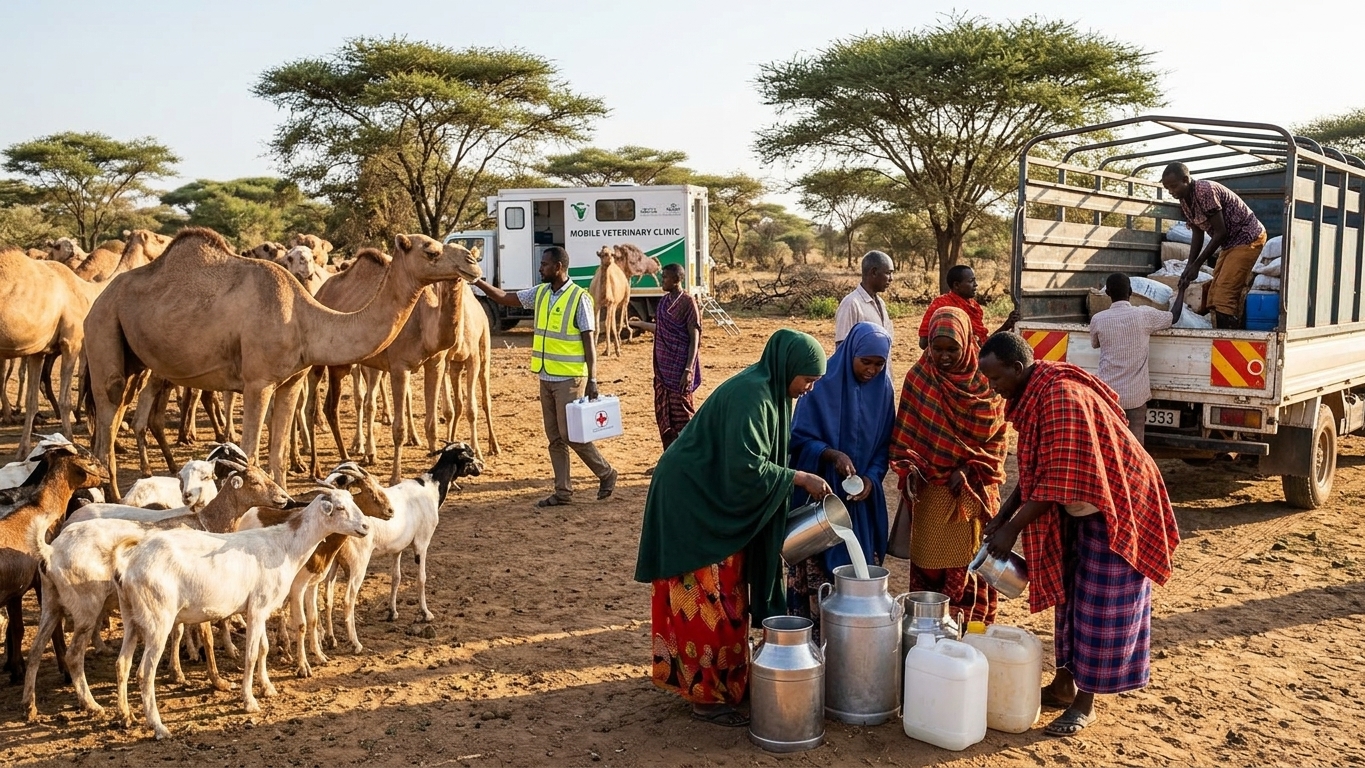
Livestock Development and Value Chains
Improving livestock productivity, animal health surveillance, breed improvement, and commercialization of milk and meat value chains.
- • Breed improvement and climate-tolerant genetics
- • Animal health networks and disease surveillance
- • Pasture and fodder production reserves
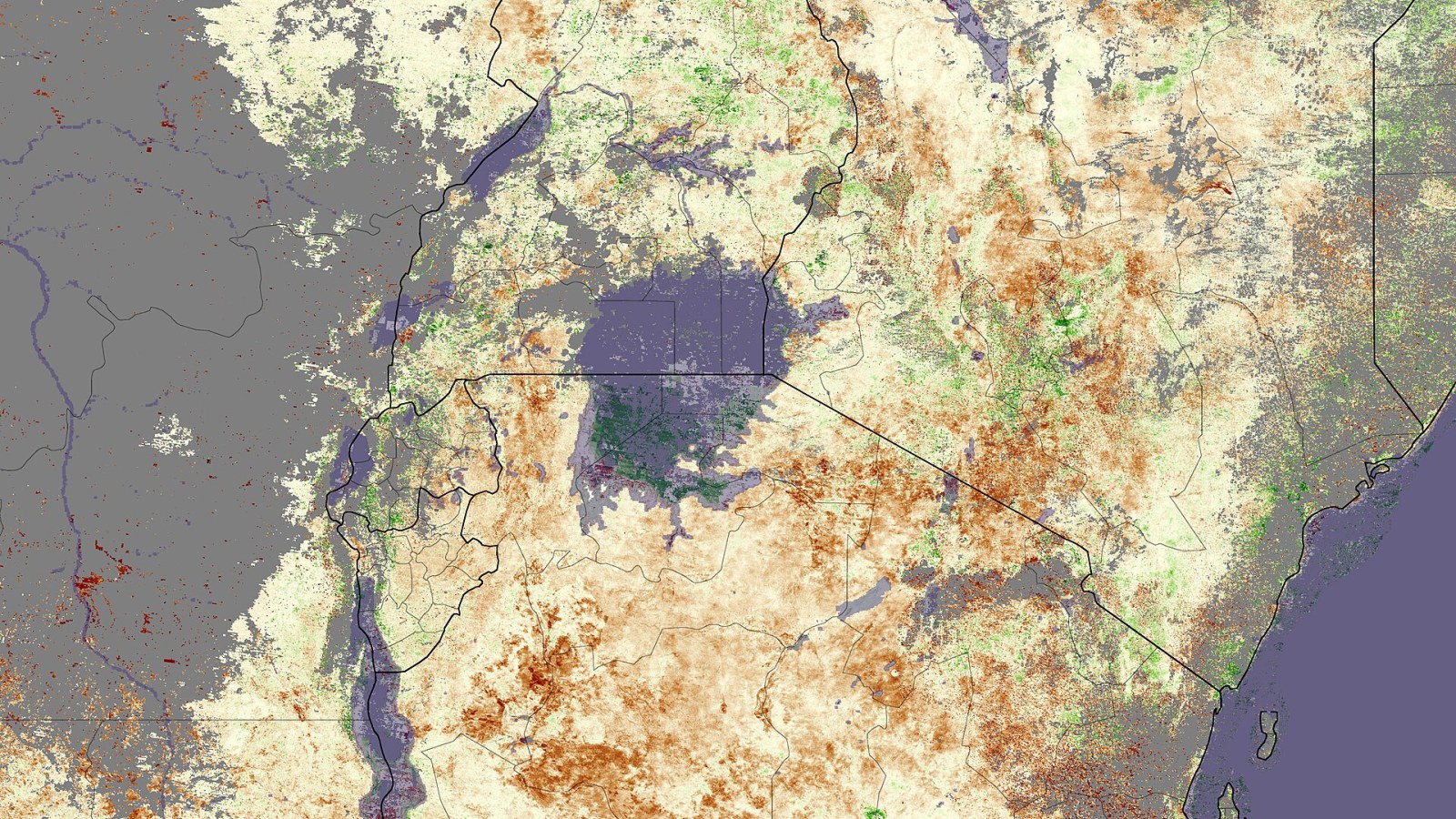
Climate Change Adaptation and Resilience
Strengthening pastoralist resilience against recurrent droughts through water harvesting, renewable energy, and early warning systems.
- • Climate-smart pastoralism and seasonal movement advisory
- • Water harvesting (sand dams, water pans, boreholes)
- • Drought preparedness and early action triggers
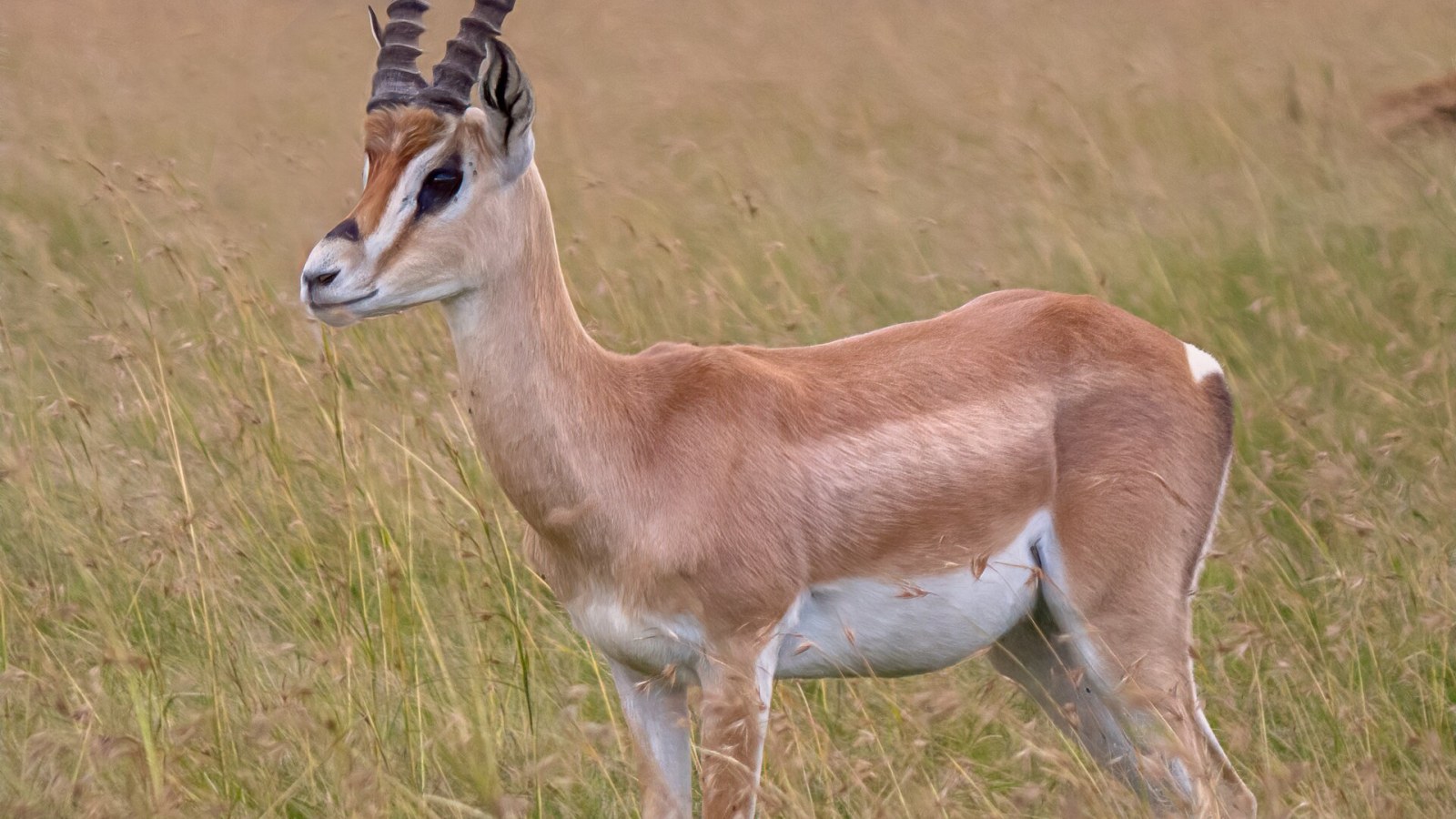
Sustainable Rangeland Management
Restoring degraded rangelands, reseeding native pastures, and implementing community-led holistic rotational grazing plans.
- • Grass reseeding with drought-tolerant indigenous species (Cenchrus ciliaris, Eragrostis superba)
- • Community grazing plans and boundary demarcation
- • Fodder banks and strategic dry-season grazing reserves
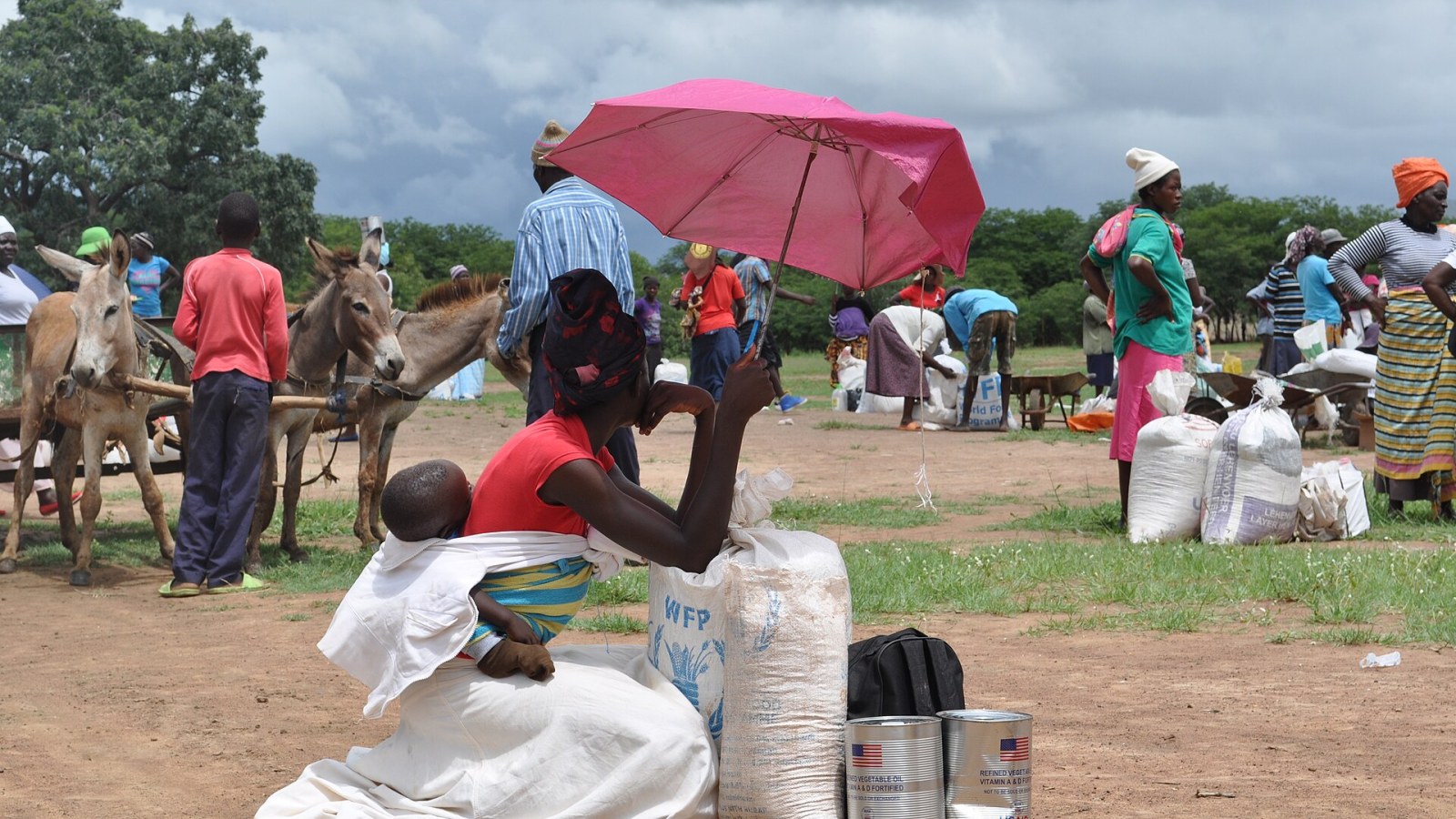
Food Security and Nutrition
Boosting household nutritional security through kitchen gardens, small livestock, nutrition education, and school feeding linkages.
- • Community nutrition education and infant feeding workshops
- • Greywater-fed kitchen gardens and shade nets
- • Small livestock pass-on schemes (indigenous poultry, dairy goats)
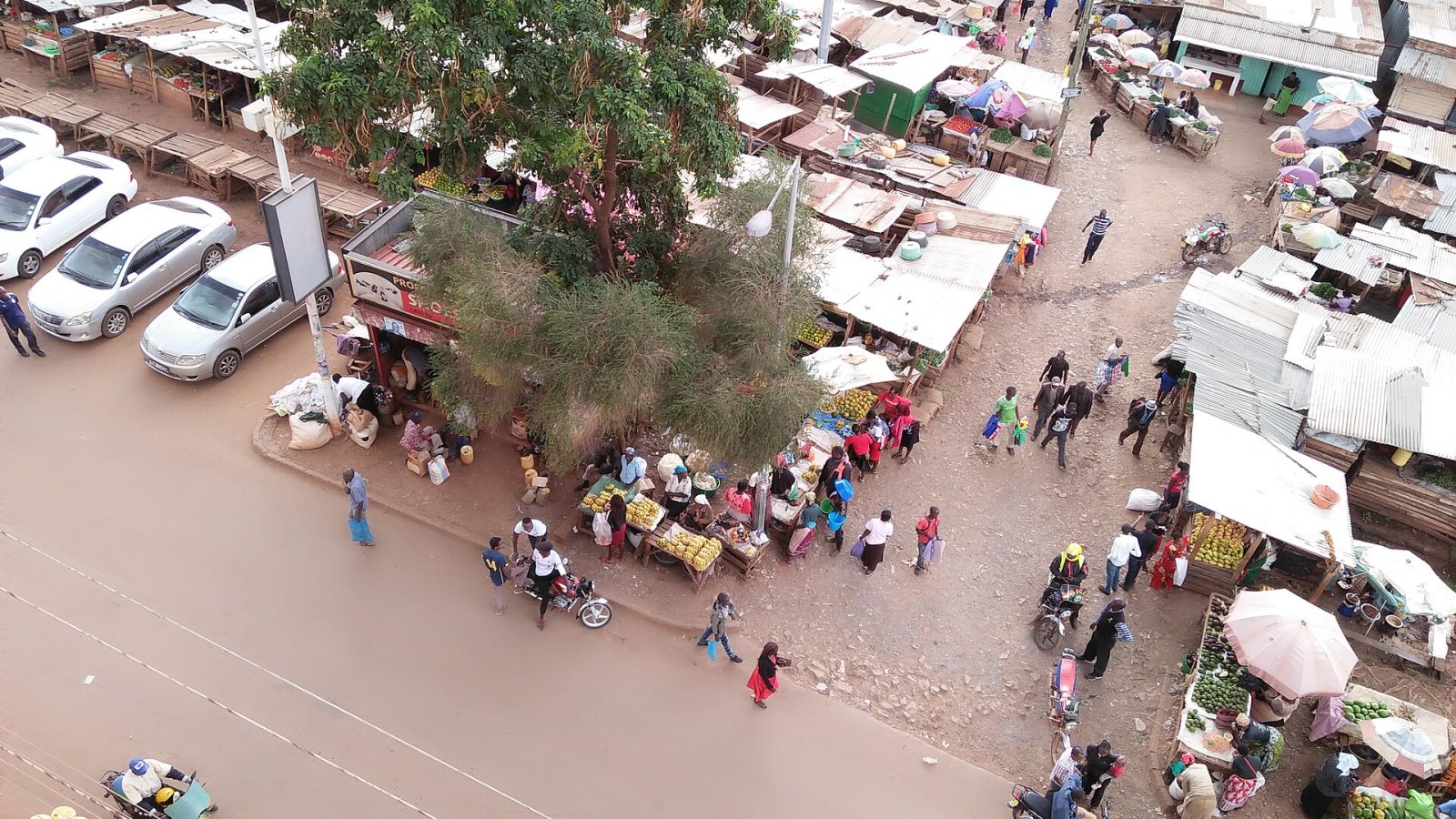
Enterprise Development and Financial Inclusion
Catalyzing grassroots entrepreneurship through Village Savings and Loan Associations (VSLAs), modern beekeeping, camel milk processing, and leathercraft.
- • Modern beekeeping equipment, Kenya Top Bar hives, and honey processing hubs
- • Camel milk aggregation, hygienic handling, and cold distribution
- • Artisanal leather processing and beadwork value addition
Cross-Cutting & Policy Programme Areas
Ensuring social equity, youth integration, grassroots capacity, and evidence-informed policies.
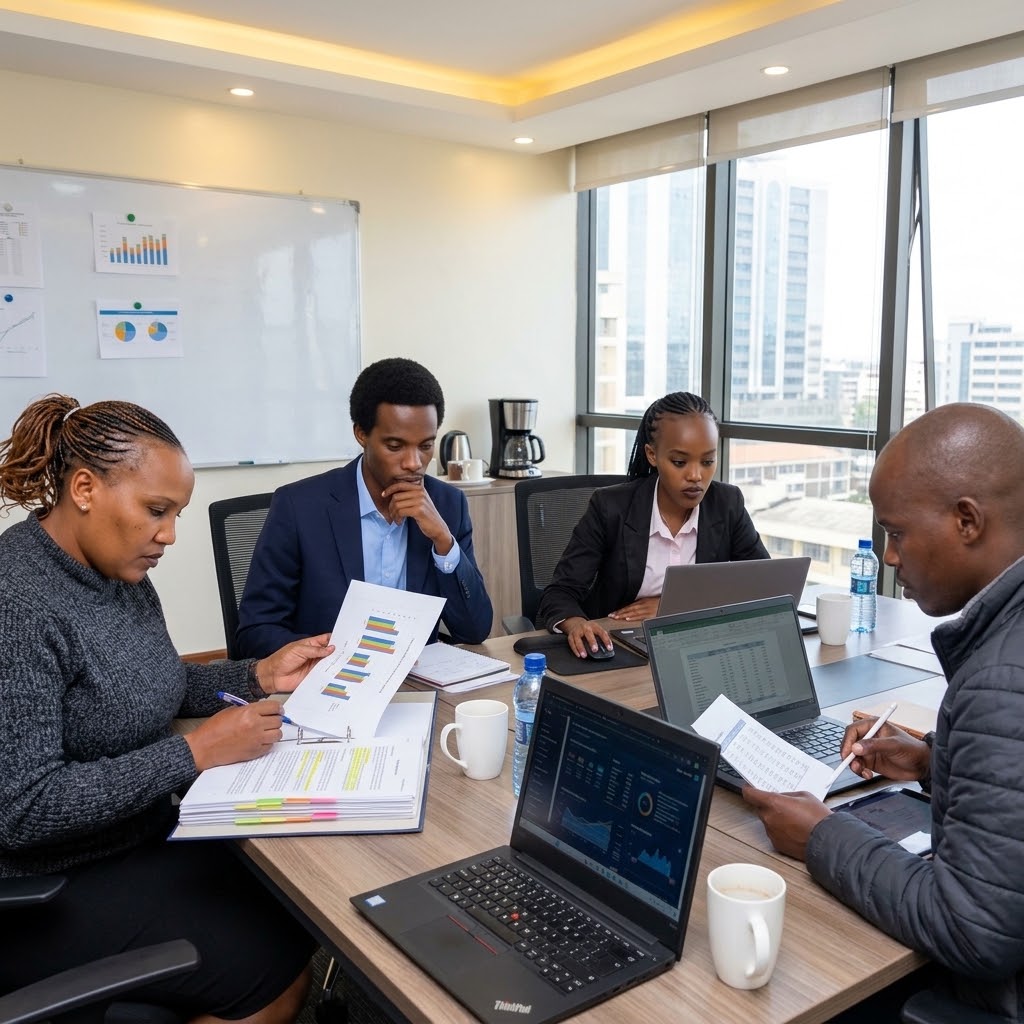
Research, Innovation and Policy Advocacy
Informing ASAL policy and evidence-based interventions through rigorous research, GIS mapping, and policy engagement.
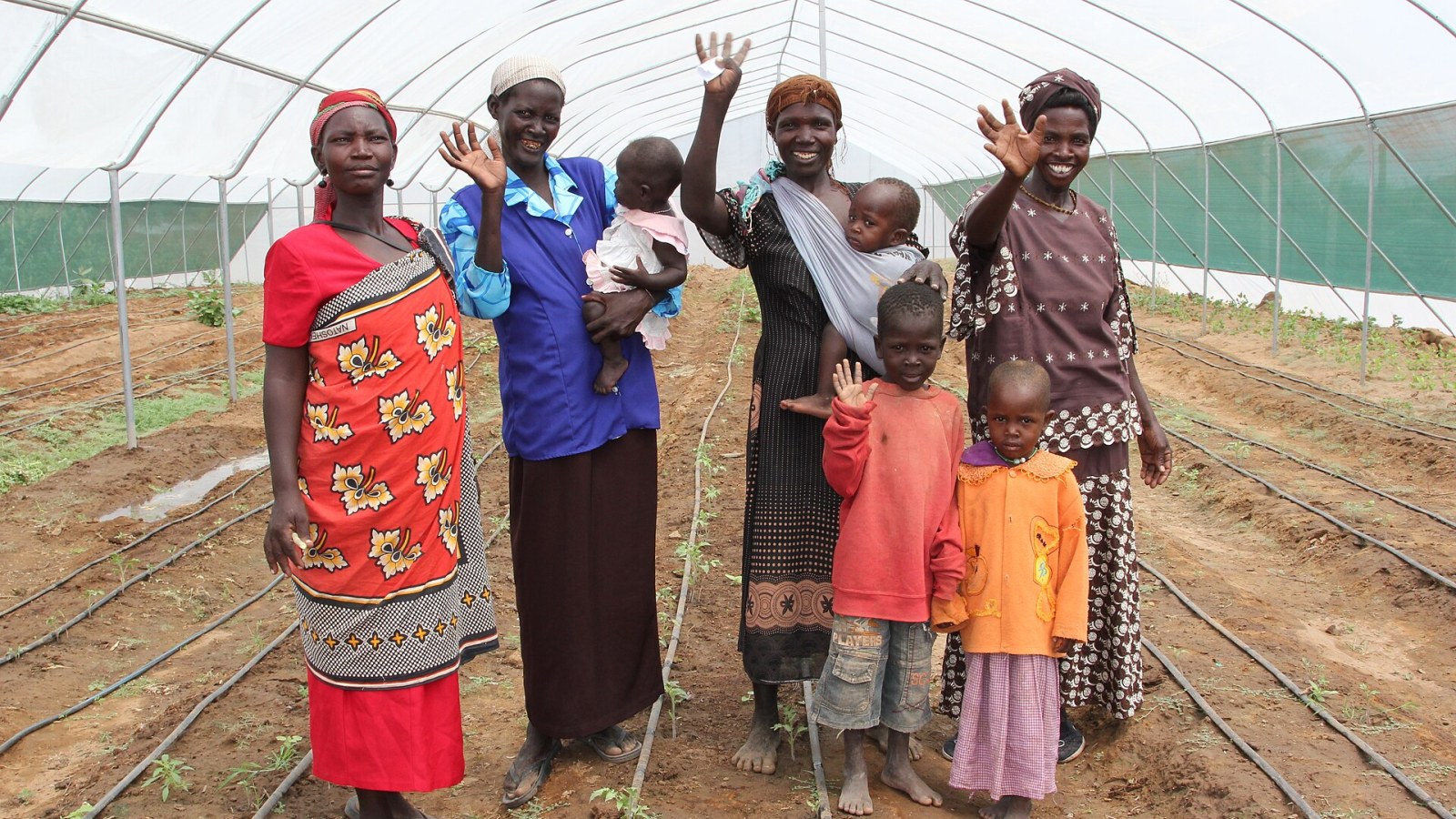
Gender Equality and Social Inclusion
Empowering pastoral women, youth, and persons with disabilities to take active leadership roles in resource management and governance.
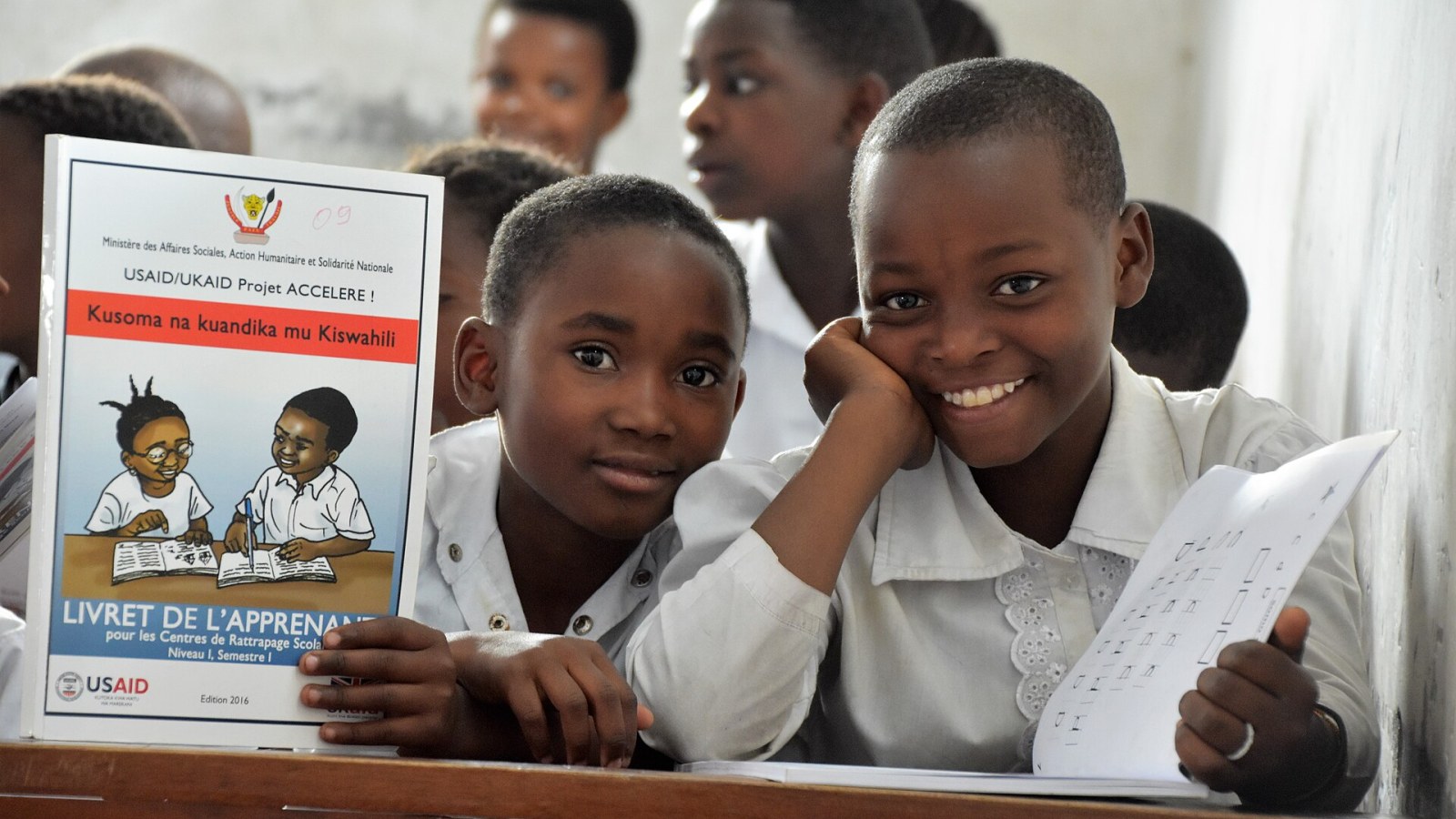
Education, Capacity Building and Extension
Building institutional and human capacity through Pastoralist Field Schools, technical vocational training, and extension outreach.
Programme photography via Wikimedia Commons: "Grant's Gazelle, Maasai Mara" by . Ray in Manila (CC BY 2.0), "Business at Marikiti Market in Kisii County, Kenya" by Janetnyanya (CC BY-SA 4.0), "A mothers support group in Lodwar, northern Kenya" by DFID (CC BY-SA 2.0).