
Samburu County Headquarters, Maralal, Kenya
Support Our Mission
Transforming Pastoral Communities 2027–2032

Building Resilient Communities, Securing Sustainable Livelihoods

Empowering pastoral and agro-pastoral communities across Samburu County and Kenya's ASAL counties with climate-smart livestock systems, rangeland restoration, and inclusive economic opportunities.

KES 450M 5-Year Budget Blueprint
10 Counties ASAL Expansion Scope
100% Community-Driven
Vision 2035

Guiding Compass

✦
Our Vision

A resilient, self-reliant, and prosperous pastoral community with sustainable livelihoods, healthy ecosystems, and equitable economic opportunities.

Our Mission

To empower pastoral and agro-pastoral communities through sustainable livestock development, resilient livelihood systems, climate change adaptation, and strategic partnerships.

Overall Goal

To improve the socio-economic well-being and resilience of pastoral communities through sustainable livelihood interventions.

Results Framework 2027–2032

Measurable Targets by 2032

+30%

Livestock Productivity Increase

Target: 2032
5,000 ha

Degraded Rangeland Restored

Target: 2032
+40%

Household Income Growth

Target: 2032
2,000

Households with New Enterprises

Target: 2032
150

Community Groups Supported

Target: 2032
10

Target ASAL Counties

Target: Expansion
Strategic Core

5 Flagship Programmes

Designed to tackle systemic bottlenecks in livestock production, rangeland degradation, recurrent droughts, and household income vulnerability.

View all 8 programme areas
01 KES 120,000,000

Livestock Development and Value Chains

Improving livestock productivity, animal health surveillance, breed improvement, and commercialization of milk and meat value chains.

Key Interventions:
  • • Breed improvement and climate-tolerant genetics
  • • Animal health networks and disease surveillance
  • • Pasture and fodder production reserves
Programmes Department Learn More
08 Part of Governance & MEAL KES 40M

Research, Innovation and Policy Advocacy

Informing ASAL policy and evidence-based interventions through rigorous research, GIS mapping, and policy engagement.

Key Interventions:
  • • Rigorous socio-economic baselines and digital GIS rangeland mapping
  • • Mid-term and end-line independent impact evaluations
  • • Knowledge management repository and policy brief publications
MEAL & Research Unit Learn More
02 KES 100,000,000

Climate Change Adaptation and Resilience

Strengthening pastoralist resilience against recurrent droughts through water harvesting, renewable energy, and early warning systems.

Key Interventions:
  • • Climate-smart pastoralism and seasonal movement advisory
  • • Water harvesting (sand dams, water pans, boreholes)
  • • Drought preparedness and early action triggers
Programmes & Environment Unit Learn More
03 Part of KES 100M Rangeland & Water Allocation

Sustainable Rangeland Management

Restoring degraded rangelands, reseeding native pastures, and implementing community-led holistic rotational grazing plans.

Key Interventions:
  • • Grass reseeding with drought-tolerant indigenous species (Cenchrus ciliaris, Eragrostis superba)
  • • Community grazing plans and boundary demarcation
  • • Fodder banks and strategic dry-season grazing reserves
Environment & Natural Resource Unit Learn More
04 KES 60,000,000

Food Security and Nutrition

Boosting household nutritional security through kitchen gardens, small livestock, nutrition education, and school feeding linkages.

Key Interventions:
  • • Community nutrition education and infant feeding workshops
  • • Greywater-fed kitchen gardens and shade nets
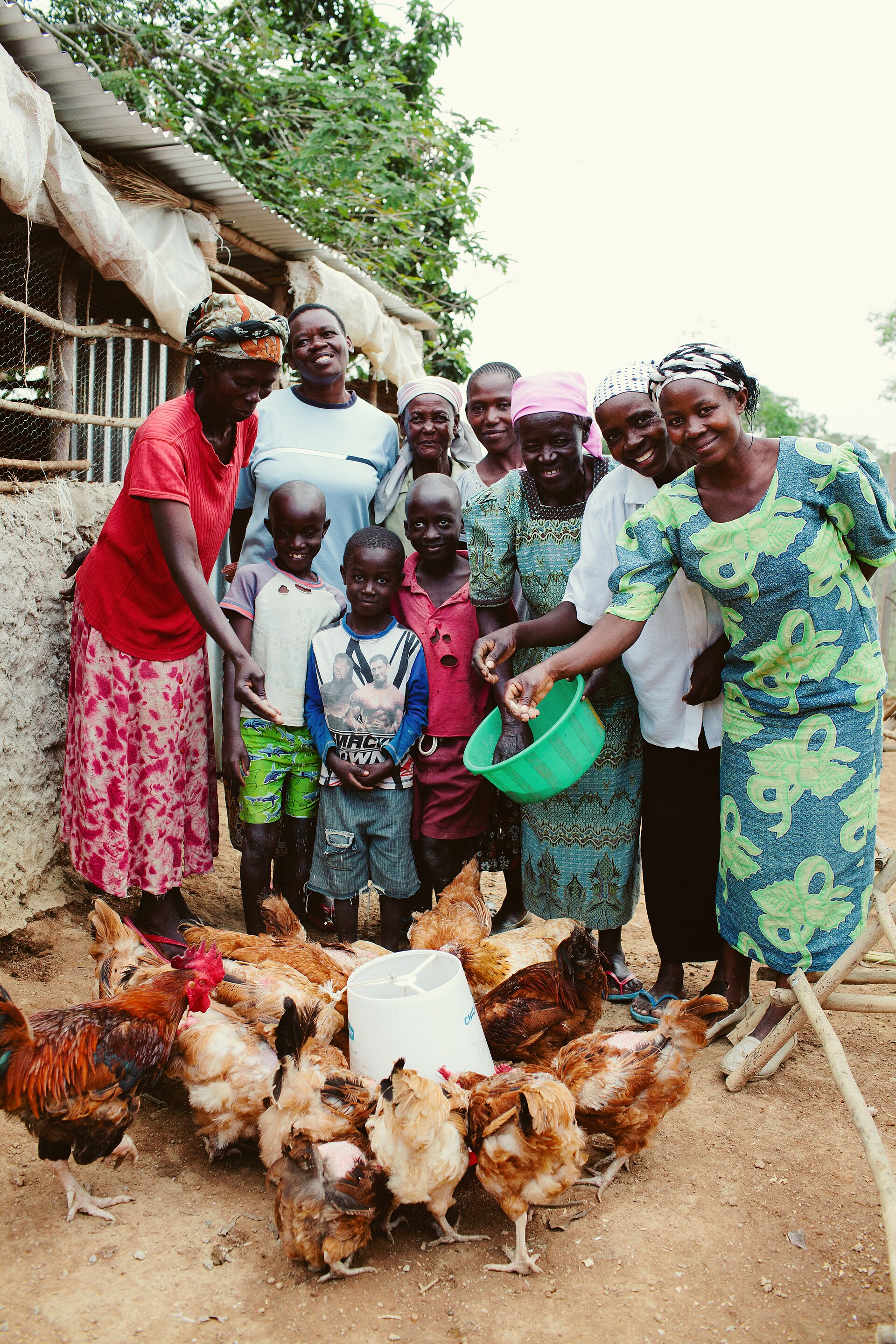
  • • Small livestock pass-on schemes (indigenous poultry, dairy goats)
Programmes Department Learn More
05 KES 80,000,000

Enterprise Development and Financial Inclusion

Catalyzing grassroots entrepreneurship through Village Savings and Loan Associations (VSLAs), modern beekeeping, camel milk processing, and leathercraft.

Key Interventions:
  • • Modern beekeeping equipment, Kenya Top Bar hives, and honey processing hubs
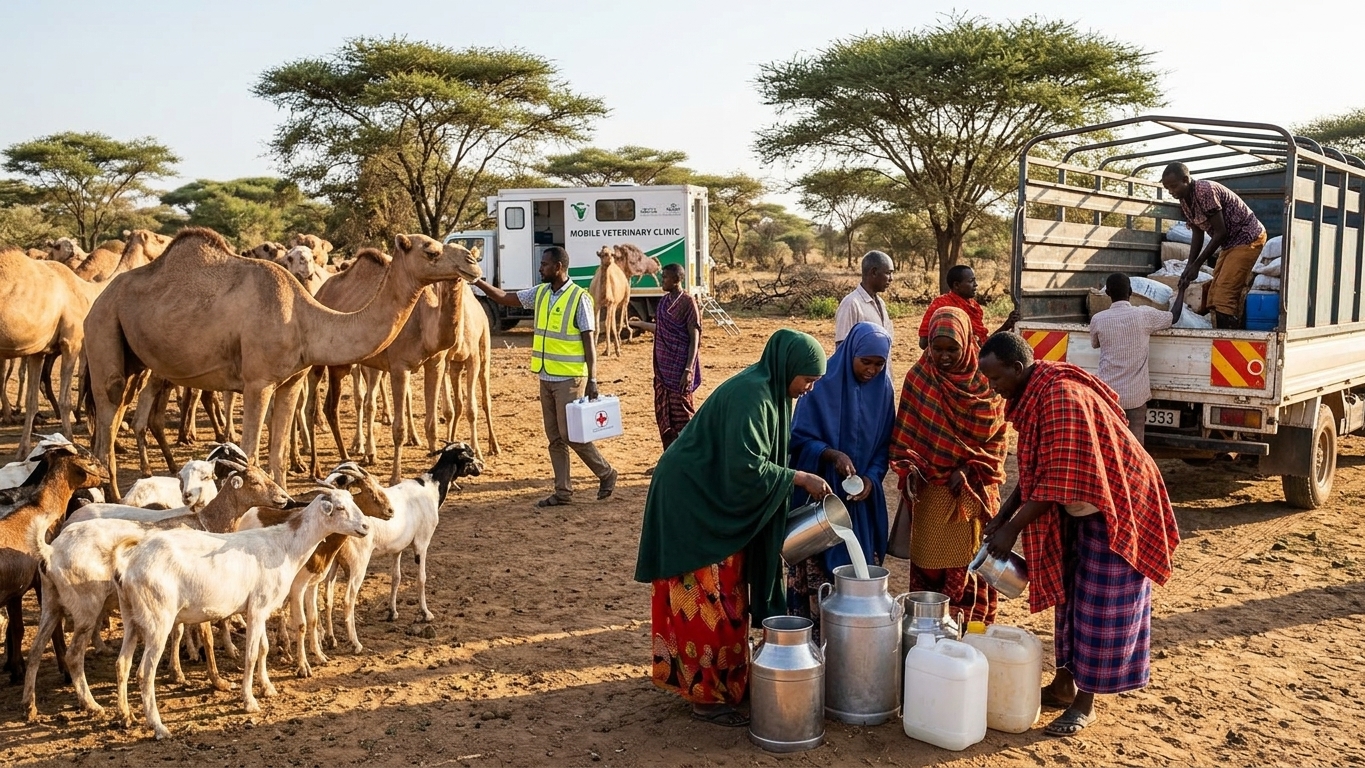
  • • Camel milk aggregation, hygienic handling, and cold distribution
  • • Artisanal leather processing and beadwork value addition
Enterprise & Livelihoods Unit Learn More
Operational Setting

Why Samburu County & Kenya's ASALs?

Samburu County is predominantly pastoral and experiences recurrent drought, severe rangeland degradation, livestock diseases, limited market access, and youth unemployment. Livestock remains the primary pillar of survival and wealth.

Challenge: Drought & Shocks

Recurrent climate shocks deplete herds and dry water points.

PLRO Response: Climate resilience & water harvesting

Challenge: Low Productivity

Poor husbandry, endemic diseases, and fodder deficit.

PLRO Response: Veterinary extension & breed genetics

Challenge: Rangeland Loss

Overgrazing and invasive bush encroaching pastures.

PLRO Response: 5,000 ha grass reseeding & rotational bylaws

Challenge: Weak Incomes

Unprocessed raw livestock sales with high middlemen margins.

PLRO Response: Honey, camel milk & VSLA enterprise
Theory of Change

Transformative Results Chain

"If pastoral households receive improved livestock services, resilient rangeland management, enterprise support, inclusive finance and strong institutions, then incomes, food security and resilience will improve sustainably."

1
Inputs: Multilateral grants, county partnerships, community land stewardship.
2
Activities: Field schools, reseeding, sand dams, VSLA capitalization, policy forums.
3
Outputs: 15,000 households trained, 5,000 ha restored, 150 functional groups.
★
Long-Term Impact: A prosperous, self-reliant pastoral community across the Horn of Africa.
From the Field

Latest Updates & Stories

View all news
Get Involved

Join Hands to Build Climate Resilience in Kenya's ASAL Counties

Whether as a development partner, researcher, community champion, or donor, your collaboration drives measurable, lasting change on the ground.